

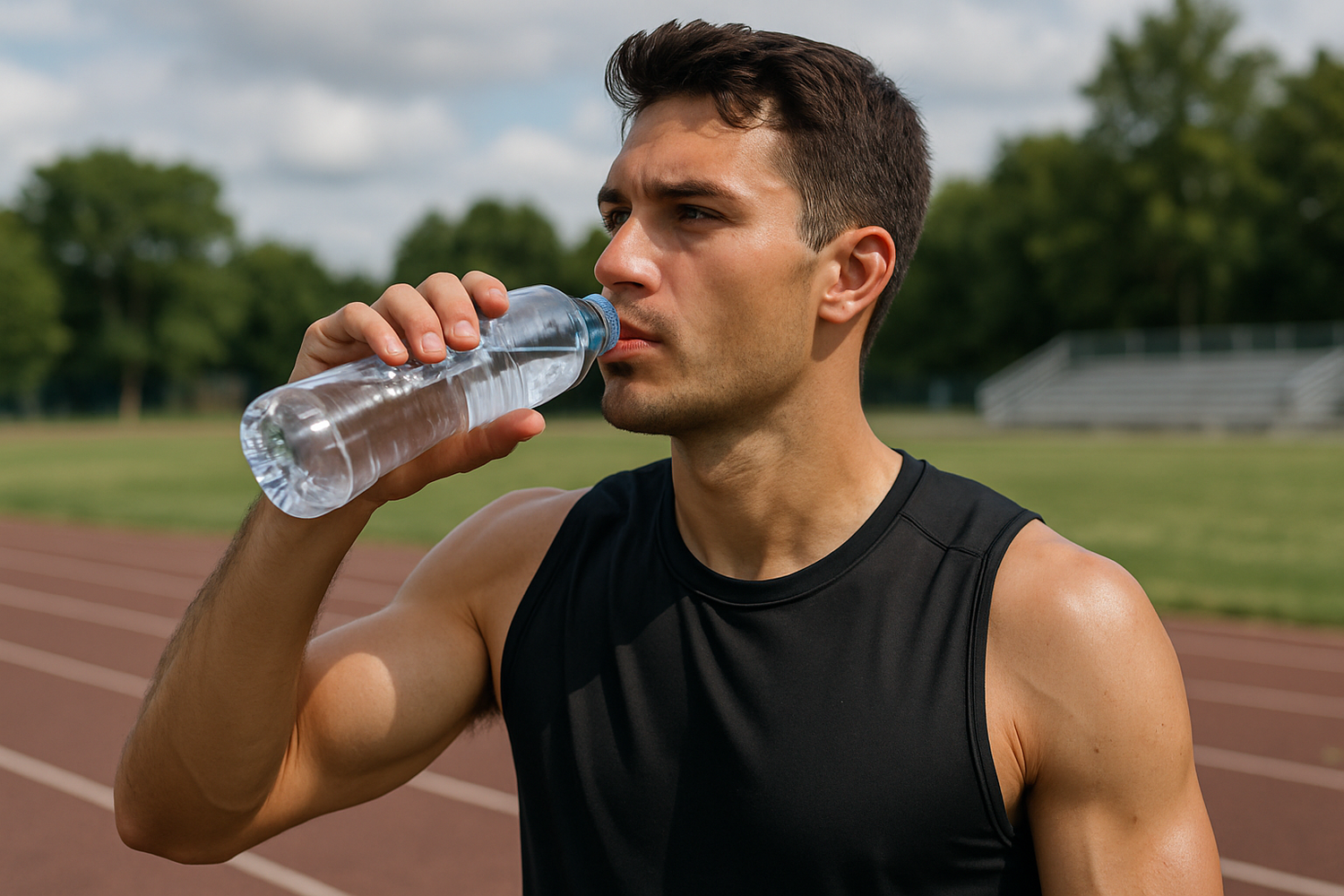
The Physiological Foundation of Athletic Hydration
Optimal hydration serves as the cornerstone of athletic performance, directly influencing thermoregulation, cardiovascular efficiency, and metabolic processes. Water constitutes approximately 60% of adult body weight, with skeletal muscle tissue containing roughly 76% water content. During exercise, athletes can lose 1-3 liters of fluid per hour through perspiration and respiratory water vapor, creating a deficit that compromises performance metrics.
Dehydration as minimal as 2% of body weight triggers measurable decrements in cognitive function, power output, and endurance capacity. The plasma volume reduction associated with fluid loss increases blood viscosity, forcing the cardiovascular system to work harder to maintain adequate oxygen delivery to working muscles.
Electrolyte Balance and Performance Optimization
Sodium, potassium, magnesium, and chloride maintain cellular osmotic pressure and facilitate neuromuscular transmission. Hyponatremia, though less common than dehydration, can occur when athletes consume excessive plain water without electrolyte replacement. This condition disrupts cellular function and can lead to cramping, confusion, and performance deterioration.
Clean Hydration Solutions for Conscious Athletes
Modern athletes increasingly seek hydration products free from artificial additives and proprietary blends that obscure ingredient transparency. Steel Monkey Superfoods' SWET Hydration addresses these concerns with a clean electrolyte formulation featuring real superfood powders and monk fruit sweetener.
This product eliminates flavor chemicals, preservatives, stevia, and sucralose while providing properly dosed electrolytes with complete label transparency. The formulation supports sustained hydration without the gastrointestinal distress often associated with synthetic ingredients.
Strategic Hydration Protocols for Peak Performance
Effective hydration extends beyond consuming fluids during exercise. Pre-exercise hydration priming, intra-workout fluid replacement, and post-exercise rehydration each serve distinct physiological purposes that collectively optimize performance outcomes.
Pre-Exercise Hydration Strategies
Begin hydration protocols 4-6 hours before training or competition by consuming 5-7 ml of fluid per kilogram of body weight. Monitor urine color as a practical hydration marker—pale yellow indicates adequate hydration status. Avoid excessive fluid consumption within 2 hours of exercise to prevent gastrointestinal discomfort and frequent urination during activity.
"Proper hydration begins hours before the first drop of sweat hits the ground. Strategic pre-loading creates the physiological foundation for sustained performance."
Intra-Exercise Fluid Replacement
Consume 150-250 ml of fluid every 15-20 minutes during exercise sessions exceeding 60 minutes. Beverage temperature between 15-22°C enhances gastric emptying and intestinal absorption rates. Sports activities lasting longer than 60 minutes benefit from electrolyte-containing solutions rather than plain water alone.
Advanced Hydration Monitoring Techniques
Precise hydration assessment requires objective measurement techniques beyond subjective thirst sensation. Body weight monitoring provides the most practical method for athletes to track fluid balance changes.
| Hydration Status | Weight Loss Percentage | Performance Impact |
|---|---|---|
| Well-hydrated | 0-1% | No performance decrement |
| Mild dehydration | 1-3% | Reduced endurance capacity |
| Moderate dehydration | 3-5% | Significant performance loss |
Urine Specific Gravity and Color Assessment
Urine specific gravity values below 1.020 indicate adequate hydration, while values exceeding 1.025 suggest dehydration. Color assessment using standardized charts provides immediate feedback on hydration status without requiring specialized equipment.
Environmental Considerations and Adaptation Strategies
Heat acclimatization improves plasma volume expansion and sweat rate efficiency over 10-14 days of progressive heat exposure. Athletes training in hot, humid conditions require modified hydration protocols accounting for increased sweat rates and electrolyte losses.
Cold weather exercise often masks thirst sensation despite continued fluid losses through respiration and perspiration. Maintain consistent hydration practices regardless of ambient temperature conditions.
Common Hydration Mistakes Athletes Make
- Relying solely on thirst as a hydration cue during exercise
- Consuming excessive amounts of plain water without electrolyte replacement
- Ignoring individual sweat rate variations and environmental factors
- Failing to establish pre-exercise hydration routines
- Using products containing artificial additives that may cause gastrointestinal distress
Athletes who prioritize clean ingredients and transparent formulations can avoid these pitfalls while supporting their performance goals. Consistent application of evidence-based hydration protocols, combined with high-quality electrolyte supplementation, creates the foundation for sustained athletic excellence.

Dejar un comentario
Este sitio está protegido por hCaptcha y se aplican la Política de privacidad de hCaptcha y los Términos del servicio.