
Neglecting Post-Exercise Proteolysis Management
Muscle protein breakdown accelerates immediately following intense training sessions. Athletes often overlook this critical window when catabolic processes dominate anabolic signaling pathways. The myofibrillar degradation continues for hours post-exercise, yet many competitors fail to implement strategic interventions.
This oversight stems from inadequate understanding of exercise-induced proteolysis. High-intensity training triggers ubiquitin-proteasome system activation and autophagy-lysosomal pathway upregulation. Without proper nutritional countermeasures, athletes experience prolonged muscle protein breakdown that impedes adaptation.
Strategic Protein Timing Solutions
Implement leucine-rich protein consumption within 30 minutes post-exercise. This amino acid threshold activates mTORC1 signaling cascades essential for protein synthesis initiation. Target 25-30 grams of complete protein containing all essential amino acids to maximize anabolic response.
Inadequate Hydration and Electrolyte Repletion
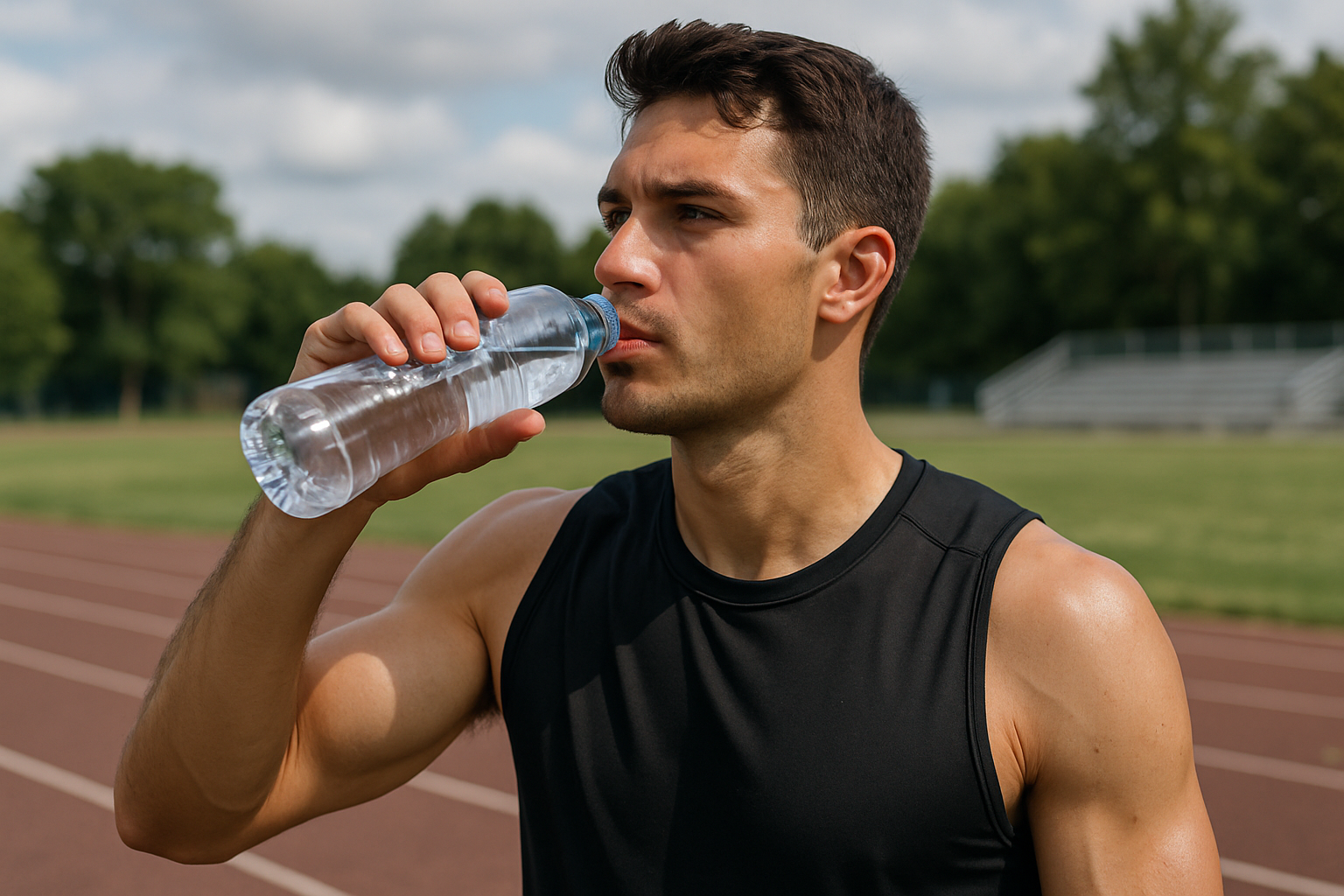
Dehydration compromises cellular regeneration mechanisms at the molecular level. Athletes frequently underestimate fluid losses during training, creating osmotic imbalances that impair nutrient transport and waste removal. Even mild hypohydration reduces protein synthesis rates and delays glycogen resynthesis.
Electrolyte depletion compounds these issues. Sodium, potassium, and magnesium deficiencies disrupt cellular membrane potential and enzymatic functions critical for recovery processes. Many athletes rely on inadequate rehydration strategies that fail to address mineral losses.
Precision Rehydration Protocols
Monitor urine specific gravity to assess hydration status objectively. Consume 150% of fluid losses within six hours post-exercise. Include sodium replacement at 300-700mg per liter of fluid to optimize retention and cellular function restoration.
Insufficient Sleep Architecture Optimization
Sleep deprivation decimates recovery through multiple physiological pathways. Growth hormone secretion peaks during slow-wave sleep phases, yet athletes often sacrifice sleep quality for training volume. This creates a paradoxical situation where increased training stress coincides with diminished recovery capacity.
Research demonstrates that athletes obtaining less than seven hours of sleep experience 70% reduction in growth hormone release and elevated cortisol concentrations that persist throughout the following day.
Sleep fragmentation proves equally detrimental. Frequent awakenings disrupt circadian rhythm synchronization and reduce time spent in restorative sleep stages essential for tissue repair and memory consolidation.
Enhanced Recovery Through Strategic Supplementation
Strategic supplementation can significantly accelerate muscle recovery when combined with proper training and nutrition protocols. Collagen peptides paired with creatine monohydrate create synergistic effects for connective tissue repair and cellular energy restoration.
Steel Monkey's Collagen + Creatine blend addresses multiple recovery pathways simultaneously. The hydrolyzed collagen provides specific amino acids for tendon and ligament repair, while creatine replenishes phosphocreatine stores depleted during high-intensity exercise. This combination supports both structural protein synthesis and energy system recovery without artificial additives or proprietary blends that obscure actual ingredient quantities.
Ignoring Inflammatory Response Modulation
Chronic low-grade inflammation impedes recovery by disrupting cellular signaling pathways. Athletes often consume pro-inflammatory foods and neglect anti-inflammatory strategies that could accelerate tissue repair. Excessive omega-6 fatty acid intake relative to omega-3s perpetuates inflammatory cascades.
Oxidative stress compounds inflammatory damage. High-intensity exercise generates reactive oxygen species that overwhelm endogenous antioxidant systems. Without adequate antioxidant support, cellular damage accumulates and recovery timelines extend significantly.
Anti-Inflammatory Implementation
- Prioritize omega-3 fatty acids through marine sources or high-quality supplements
- Include polyphenol-rich foods to support endogenous antioxidant enzyme production
- Time anti-inflammatory interventions strategically to avoid blunting training adaptations
Overlooking Recovery Periodization
Athletes frequently maintain consistent recovery protocols regardless of training phase or stress levels. This approach fails to account for varying physiological demands throughout periodized training cycles. High-intensity phases require enhanced recovery interventions, while lower-stress periods may need reduced emphasis.
Individual recovery capacity varies significantly based on training history, age, and genetic factors. Cookie-cutter approaches ignore these variables and often result in inadequate recovery for high-stress periods or excessive intervention during lighter training phases.
Periodized Recovery Strategies
| Training Phase | Recovery Emphasis | Key Interventions |
|---|---|---|
| Base Building | Moderate | Consistent sleep, basic nutrition |
| High Intensity | Maximum | Enhanced supplementation, stress management |
| Competition | Strategic | Targeted interventions, performance optimization |
Successful recovery requires systematic attention to proteolysis management, hydration optimization, sleep architecture, inflammatory modulation, and periodized implementation. Athletes who address these fundamental areas experience accelerated adaptation and reduced injury risk while maintaining consistent training quality.


Dejar un comentario
Este sitio está protegido por hCaptcha y se aplican la Política de privacidad de hCaptcha y los Términos del servicio.