

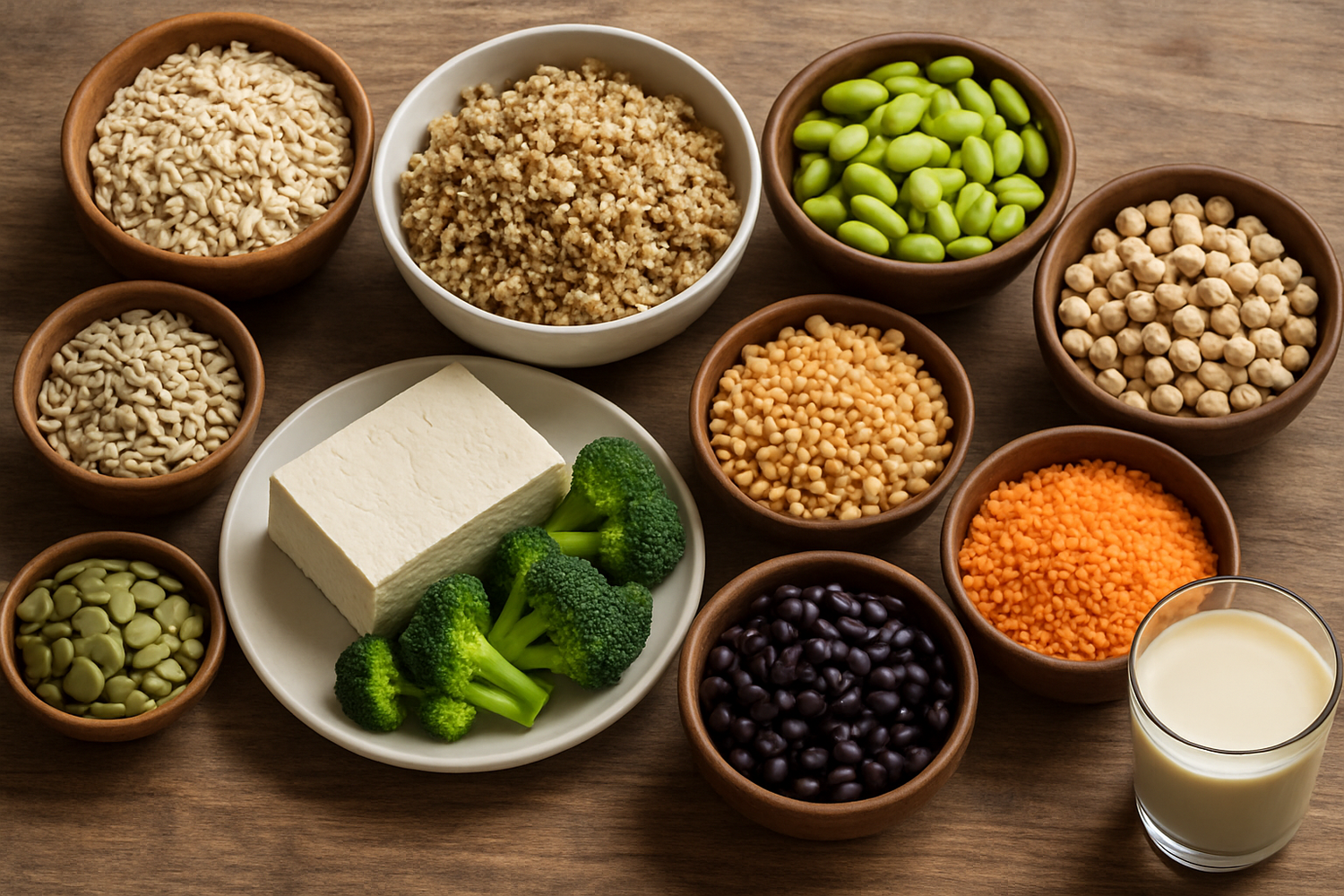
Understanding Plant-Based Protein Fundamentals
Athletic performance hinges on optimal protein consumption, yet many athletes overlook the tremendous potential of phytonutrient-rich plant sources. Plant-based protein for athletes represents a paradigm shift from conventional animal-derived supplements, offering comprehensive amino acid profiles alongside beneficial phytochemicals and micronutrients that support recovery and performance enhancement.
The bioavailability of plant proteins has undergone significant scientific scrutiny, revealing sophisticated mechanisms by which vegetable sources deliver essential amino acids. Modern processing techniques now maximize protein digestibility corrected amino acid scores (PDCAAS), ensuring athletes receive complete nutritional support without compromising their ethical or environmental values.
Complete vs. Incomplete Protein Distinction
The antiquated notion that plant proteins are inherently inferior stems from misunderstanding amino acid complementarity. While certain individual plant sources may contain lower concentrations of specific essential amino acids, strategic combination creates comprehensive protein matrices. Quinoa, amaranth, and hemp seeds naturally contain all nine essential amino acids, challenging traditional protein hierarchy assumptions.
Leucine content particularly concerns strength athletes, as this branched-chain amino acid triggers mTOR pathway activation for muscle protein synthesis. Pea protein isolate delivers substantial leucine concentrations, often matching or exceeding whey protein benchmarks when properly concentrated.
Optimal Protein Requirements for Athletic Performance
Athletic protein requirements transcend sedentary population recommendations, demanding elevated intake for tissue repair, adaptation, and performance optimization. Endurance athletes typically require 1.2-1.4 grams per kilogram of body weight, while strength and power athletes may benefit from 1.6-2.2 grams per kilogram daily.
Timing strategies amplify protein utilization efficiency through strategic consumption windows. The anabolic window concept, while somewhat overstated, still supports post-exercise protein intake within two hours of training completion for maximal recovery benefits.
Periodization and Protein Cycling
Advanced athletes implement protein periodization aligned with training mesocycles. Higher protein intake during intensification phases supports increased training loads, while maintenance phases allow for moderate consumption. This cyclical approach prevents metabolic adaptation while optimizing nutrient partitioning.
Research indicates that plant-based athletes consuming 25-30% more protein than animal protein consumers achieve equivalent muscle protein synthesis rates, accounting for differences in digestibility and amino acid composition.
Premium Plant-Based Protein Sources
Diversification across multiple plant protein sources ensures comprehensive amino acid coverage while delivering unique phytonutrient profiles. Each protein source contributes distinct advantages for athletic performance and recovery optimization.
Legume-Based Proteins
Pea protein isolate stands as the preeminent legume-derived protein for athletes, offering 80-85% protein content with excellent leucine concentrations. Its neutral flavor profile and superior mixability make it ideal for daily supplementation protocols. Lentil protein provides additional fiber content while maintaining high biological value.
Soy protein, despite controversial perceptions, demonstrates equivalent muscle-building capacity to whey protein in controlled studies. Its phytoestrogen content remains within physiologically insignificant ranges for male athletes, while potentially offering cardiovascular protective benefits.
Seed and Grain Proteins
Hemp protein delivers complete amino acid profiles alongside omega-3 and omega-6 fatty acids in optimal ratios. Its naturally occurring gamma-linolenic acid supports anti-inflammatory pathways crucial for recovery enhancement. Rice protein, when combined with pea protein, creates synergistic amino acid complementarity.
Pumpkin seed protein emerges as an underutilized powerhouse, providing substantial magnesium, zinc, and iron content alongside high-quality protein. These minerals support testosterone production, immune function, and oxygen transport mechanisms vital for athletic performance.
Revolutionary Clean Protein Solutions
The supplement industry's proliferation of artificial additives, proprietary blends, and questionable ingredients has created demand for transparent, clean formulations. Athletes seeking optimal performance require products that deliver results without compromising health through unnecessary chemical exposure.
GRIT Ultra-Clean Vegan Protein represents the pinnacle of clean plant-based supplementation, combining premium pea and rice protein isolates with monk fruit sweetener and real superfood powders. This formulation eliminates artificial flavors, preservatives, stevia, and sucralose while maintaining exceptional taste and mixability. The transparent labeling ensures athletes know exactly what they consume, with proper dosing backed by a 100% money-back guarantee.
This clean approach addresses the growing concern among health-conscious athletes who refuse to compromise their values for performance gains. The integration of superfood powders provides additional antioxidants and micronutrients that support recovery and overall wellness.
Optimizing Absorption and Bioavailability
Maximizing plant protein utilization requires understanding digestive processes and implementing strategic enhancement techniques. Proper preparation and consumption methods significantly impact amino acid availability and uptake rates.
Digestive Enzyme Enhancement
Plant proteins benefit from digestive enzyme support, particularly protease and amylase enzymes that break down complex protein structures. Natural enzyme sources include papaya (papain), pineapple (bromelain), and sprouted grains that contain naturally activated enzymes.
Fermentation processes pre-digest proteins, improving bioavailability while creating beneficial postbiotics. Fermented plant proteins demonstrate superior absorption rates compared to non-fermented alternatives, making them valuable for athletes with sensitive digestive systems.
Strategic Combining Techniques
Amino acid complementarity maximizes protein quality through intelligent food pairing. Classic combinations like rice and beans create complete protein profiles, but modern athletes can achieve similar results through varied plant protein supplementation throughout the day.
| Protein Source | Limiting Amino Acid | Complementary Source |
|---|---|---|
| Rice Protein | Lysine | Pea Protein |
| Hemp Protein | Lysine | Pumpkin Seed Protein |
| Pea Protein | Methionine | Rice Protein |
Performance Benefits and Recovery Enhancement
Plant-based protein for athletes extends beyond basic muscle building, offering comprehensive performance enhancement through multiple physiological pathways. The additional phytonutrients, antioxidants, and anti-inflammatory compounds provide competitive advantages unavailable in isolated animal proteins.
Anti-Inflammatory Properties
Chronic inflammation impedes recovery and performance adaptation. Plant proteins naturally contain polyphenols, flavonoids, and other bioactive compounds that modulate inflammatory responses. This anti-inflammatory effect accelerates recovery between training sessions while reducing exercise-induced oxidative stress.
The alkalizing effect of plant proteins helps maintain optimal pH balance, counteracting the acidic byproducts of intense training. This pH optimization supports enzyme function, nutrient absorption, and cellular repair mechanisms.
Cardiovascular Support
Endurance athletes particularly benefit from the cardiovascular protective effects of plant proteins. The absence of saturated fats, combined with beneficial fiber and phytonutrients, supports optimal blood flow and oxygen delivery to working muscles.
Common Concerns and Scientific Rebuttals
Misconceptions surrounding plant-based protein persist despite mounting scientific evidence supporting its efficacy for athletic performance. Addressing these concerns provides clarity for athletes considering the transition to plant-based supplementation.
Muscle Building Capacity
Controlled studies demonstrate equivalent muscle protein synthesis rates between high-quality plant and animal proteins when leucine content is matched. The key lies in consuming adequate total protein from varied sources rather than relying on protein origin.
Plant-based athletes achieving elite performance levels across all sporting disciplines provide real-world evidence contradicting protein inferiority claims. From Olympic weightlifters to professional football players, plant protein supports the highest levels of athletic achievement.
Digestibility Considerations
Modern processing techniques have largely eliminated digestibility concerns associated with plant proteins. Protein isolates remove most fiber and anti-nutritional factors while concentrating amino acids to levels comparable with animal sources.
- Proper hydration enhances protein solubility and absorption
- Gradual transition periods allow digestive adaptation
- Quality protein isolates minimize digestive stress
- Strategic timing optimizes utilization rates
Implementation Strategies for Athletes
Successfully transitioning to plant-based protein requires systematic implementation aligned with individual training demands and digestive capacity. Gradual introduction prevents digestive disruption while allowing performance monitoring.
Begin with partial replacement of existing protein sources, gradually increasing plant protein percentage over several weeks. Monitor performance markers, recovery rates, and subjective wellness indicators throughout the transition period.
Dosing and Timing Protocols
Distribute plant protein intake across multiple daily servings to optimize amino acid availability. Post-workout consumption within the anabolic window remains important, but consistent daily intake proves more crucial for long-term adaptation.
Consider increasing total protein intake by 10-15% initially to account for potential bioavailability differences during the adaptation period. This conservative approach ensures adequate amino acid availability while allowing metabolic adjustment.
The future of athletic nutrition increasingly points toward sustainable, clean protein sources that support both human performance and environmental stewardship. Plant-based protein for athletes represents not just a dietary choice, but a comprehensive approach to optimal performance that aligns with evolving consciousness around health, ethics, and sustainability.

Dejar un comentario
Este sitio está protegido por hCaptcha y se aplican la Política de privacidad de hCaptcha y los Términos del servicio.