

Understanding Alternative Sweeteners in Athletic Nutrition
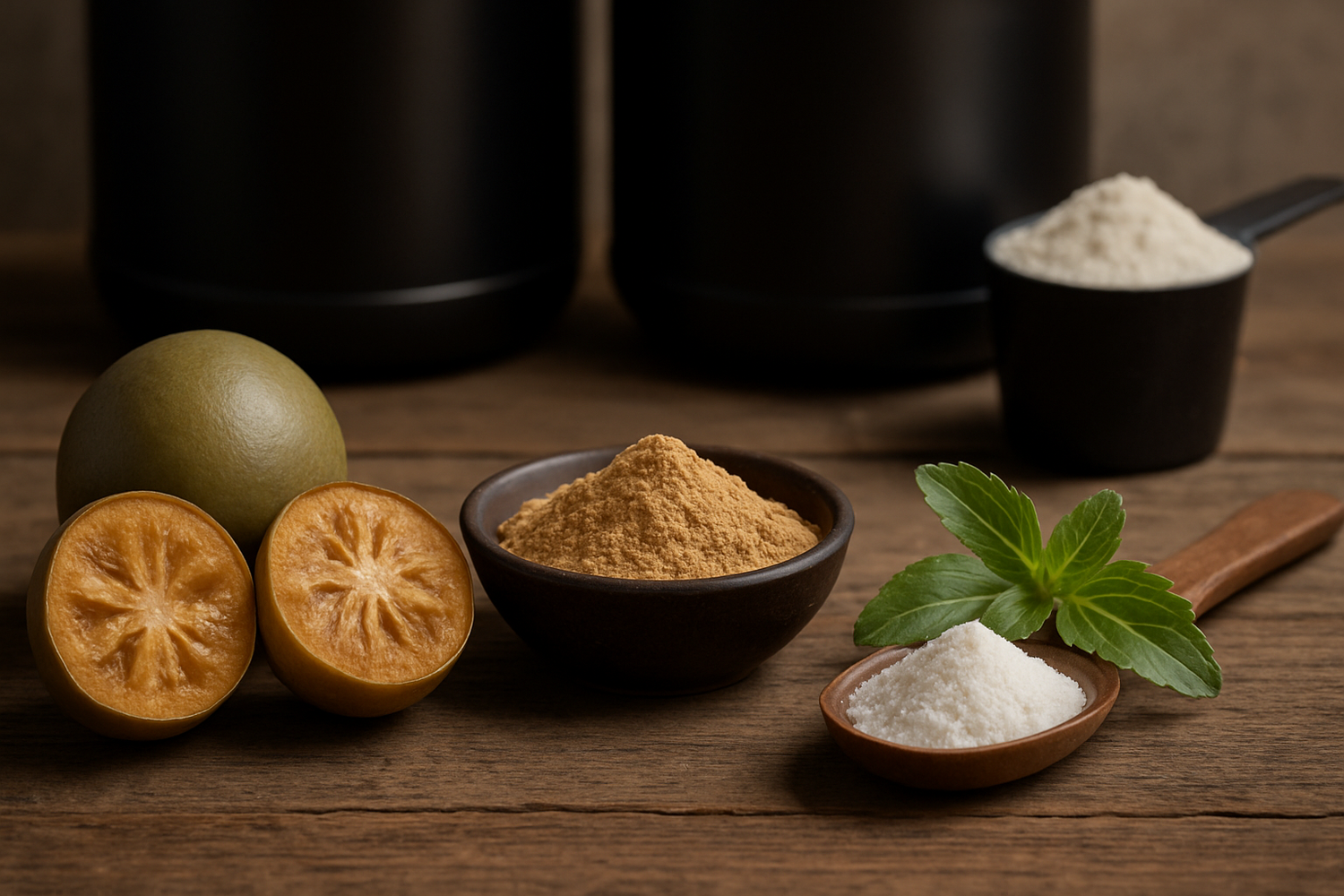
Athletic nutrition has undergone significant transformation as consumers demand cleaner formulations devoid of synthetic additives. Two predominant natural sweeteners have emerged as frontrunners in the sports supplement industry: monk fruit extract and stevia leaf derivatives. These compounds represent fundamentally different approaches to achieving palatability while maintaining metabolic neutrality.
The selection of sweetening agents directly impacts bioavailability, gastrointestinal tolerance, and overall supplementation efficacy. Modern athletes require products that deliver performance benefits without compromising digestive function or introducing unwanted metabolic interference.
Metabolic Pathways and Glycemic Response
Monk fruit sweetener demonstrates superior metabolic neutrality compared to stevia compounds. The mogrosides responsible for monk fruit's sweetening properties bypass hepatic metabolism entirely, eliminating potential interference with glucose homeostasis. This characteristic proves particularly advantageous during pre-workout supplementation when maintaining stable blood sugar levels is paramount.
Stevia's steviol glycosides undergo partial metabolism through intestinal bacteria, potentially creating individual variability in metabolic response. Some users experience subtle glycemic fluctuations that may impact training performance or recovery protocols.
Gastrointestinal Compatibility and Absorption
Digestive tolerance represents a critical consideration for athletes consuming supplements multiple times daily. Monk fruit sweetener exhibits exceptional gastrointestinal compatibility, rarely producing the digestive distress associated with alternative sweeteners.
Dosage Thresholds and Tolerance Levels
Clinical observations indicate monk fruit maintains excellent tolerance across dosage ranges typical in sports nutrition formulations. Athletes can consume multiple servings without experiencing gastrointestinal complications that might compromise training intensity or recovery.
Stevia derivatives demonstrate dose-dependent tolerance issues. Higher concentrations may precipitate digestive discomfort, particularly when combined with other supplement ingredients that stress gastrointestinal function.
Clean Label Formulation Advantages
Steel Monkey's BLUD pre-workout exemplifies optimal monk fruit sweetener implementation in sports supplements. This formulation demonstrates how monk fruit sweetener in supplements can deliver exceptional palatability without compromising ingredient integrity or performance outcomes.
BLUD combines research-backed dosing of performance compounds with monk fruit's clean sweetening profile, eliminating the need for artificial flavor enhancers or masking agents that characterize conventional pre-workout products.
Ingredient Synergy and Bioavailability Enhancement
Monk fruit's neutral pH profile and lack of bitter undertones eliminate the necessity for additional masking compounds. This characteristic allows formulators to maintain ingredient transparency while optimizing active compound ratios for maximum efficacy.
The absence of stevia's characteristic aftertaste prevents the need for flavor modification systems that may introduce unnecessary additives or compromise supplement purity.
Manufacturing Stability and Shelf Life
Thermal stability during manufacturing processes represents another advantage of monk fruit sweetener in supplements. Mogrosides maintain structural integrity under typical processing conditions, ensuring consistent sweetness levels throughout product shelf life.
Storage Requirements and Degradation Patterns
Monk fruit extracts demonstrate superior stability under ambient storage conditions compared to stevia compounds. This stability translates to consistent product experience and maintained palatability over extended storage periods.
| Parameter | Monk Fruit | Stevia |
|---|---|---|
| Thermal Stability | Excellent | Moderate |
| pH Tolerance | Wide Range | Limited |
| Shelf Stability | Superior | Variable |
Frequently Asked Questions
Does monk fruit sweetener affect ketosis or metabolic flexibility?
Monk fruit sweetener maintains complete metabolic neutrality, making it compatible with ketogenic protocols and metabolic flexibility training approaches. The mogrosides pass through the digestive system without triggering insulin response or affecting ketone production.
Can monk fruit sweetener cause digestive adaptation issues?
Unlike artificial sweeteners that may disrupt gut microbiome balance, monk fruit demonstrates prebiotic-neutral characteristics. Long-term consumption does not appear to create digestive adaptation issues or tolerance development.
How does monk fruit impact hydration during training?
Monk fruit's osmotic neutrality prevents the dehydration concerns associated with certain alternative sweeteners. This characteristic proves particularly valuable in electrolyte formulations where maintaining proper fluid balance is critical.
- Zero caloric contribution to supplement formulations
- No artificial processing requirements for palatability enhancement
- Compatible with all dietary protocols including ketogenic and low-carbohydrate approaches
- Maintains sweetness intensity across temperature variations
The evidence supporting monk fruit sweetener in supplements continues expanding as more athletes recognize the performance advantages of truly clean formulations. This natural sweetening solution represents the future of sports nutrition where purity and efficacy converge without compromise.



Leave a comment
This site is protected by hCaptcha and the hCaptcha Privacy Policy and Terms of Service apply.