Understanding Complete Protein Fundamentals
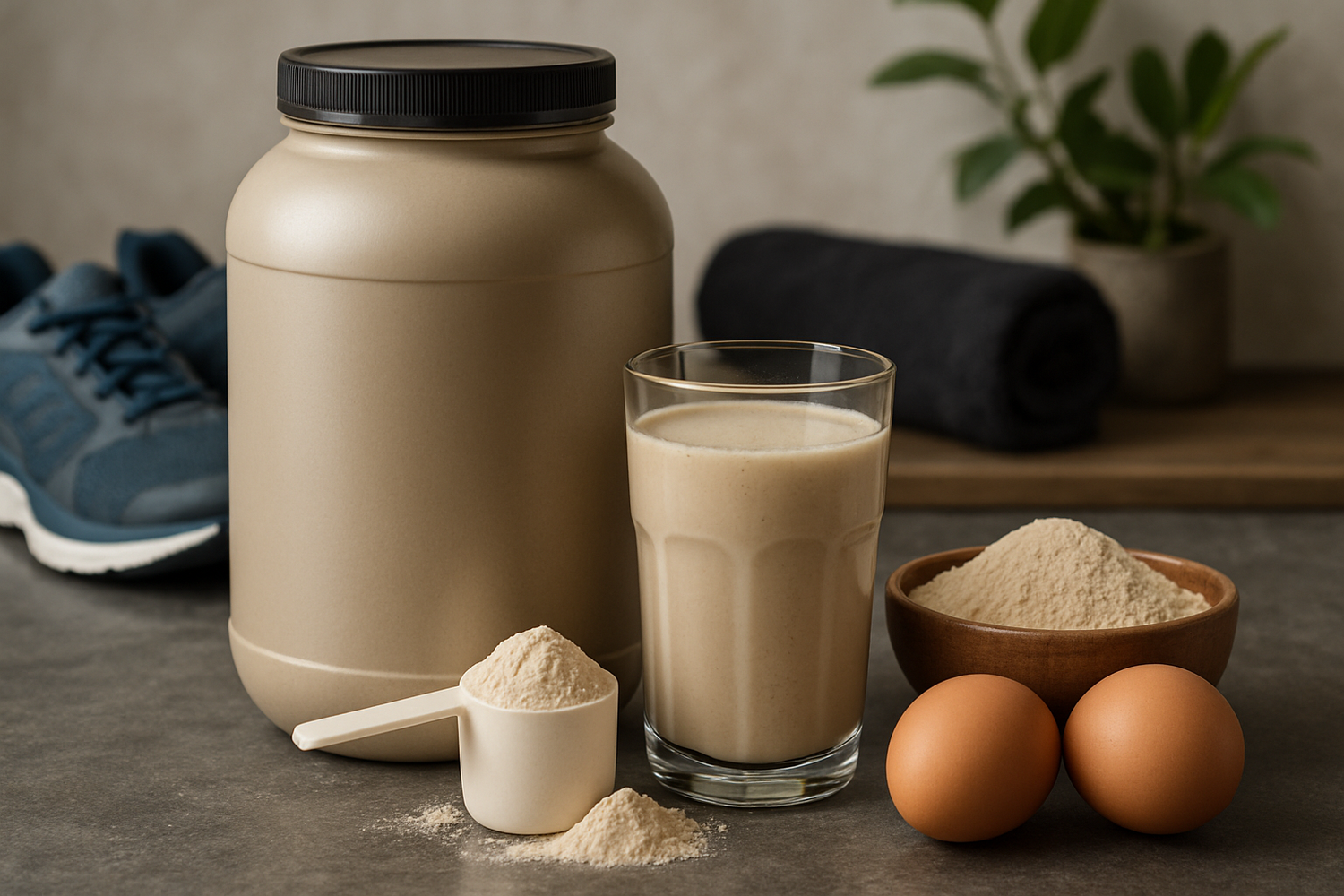
Complete proteins contain all nine essential amino acids your body cannot synthesize independently. These macronutrient powerhouses serve as the building blocks for muscle protein synthesis, tissue repair, and enzymatic functions. Unlike incomplete proteins that lack one or more essential amino acids, complete protein sources provide the full amino acid spectrum required for optimal physiological performance.
Animal-derived proteins typically qualify as complete proteins, while plant-based sources often require strategic combination to achieve completeness. Whey, casein, egg, and collagen proteins naturally contain comprehensive amino acid profiles. Plant proteins like pea, hemp, and rice frequently undergo blending processes to create complete formulations.
Key Considerations for Clean Athletes
Ingredient Transparency and Purity
Clean athletes prioritize supplement purity above convenience or cost considerations. Transparent labeling eliminates proprietary blend ambiguity, allowing precise ingredient assessment. Third-party testing certifications validate heavy metal limits, microbiological safety, and banned substance absence.
Artificial additives compromise athletic integrity and potentially trigger adverse reactions. Natural flavoring agents, while marketed as healthier alternatives, still undergo chemical processing that contradicts clean supplementation principles.
Bioavailability and Absorption Rates
Protein digestibility significantly impacts amino acid utilization efficiency. Hydrolyzed proteins undergo pre-digestion processes, accelerating absorption timelines. Digestive enzyme additions enhance protein breakdown, particularly beneficial for individuals experiencing gastrointestinal sensitivities.
Leucine content serves as the primary trigger for muscle protein synthesis activation, requiring approximately 2.5-3 grams per serving for optimal anabolic response.
Steel Monkey Clean Protein Solution
Steel Monkey Superfoods addresses the clean athlete dilemma through their meticulously formulated Clean Protein powder. This complete protein blend eliminates artificial additives, stevia, sucralose, and proprietary formulations while maintaining superior taste through monk fruit sweetener integration.
The transparent labeling approach ensures athletes understand exact ingredient quantities and sources. Real superfood powder inclusions provide additional micronutrient density beyond basic protein requirements. The formulation supports muscle recovery, protein synthesis, and overall athletic performance without compromising ingredient integrity standards.
Evaluating Protein Quality Metrics
Amino Acid Scoring Methods
Protein Digestibility-Corrected Amino Acid Score (PDCAAS) represents the gold standard for protein quality assessment. This methodology evaluates amino acid composition against human requirements while factoring digestibility coefficients. Scores approaching 1.0 indicate superior protein quality.
Digestible Indispensable Amino Acid Score (DIAAS) provides enhanced accuracy through ileal digestibility measurements rather than fecal analysis. This advanced scoring system better reflects actual amino acid absorption in the small intestine.
Biological Value Considerations
Biological value measures nitrogen retention efficiency from consumed protein sources. Higher biological values indicate superior protein utilization for tissue maintenance and growth. Whole egg protein traditionally serves as the biological value benchmark at 100, while whey protein often exceeds this standard.
Dosage and Timing Optimization
| Training Phase | Protein Requirement (g/kg bodyweight) | Optimal Timing |
|---|---|---|
| Endurance Training | 1.2-1.4 | Post-workout + Evening |
| Strength Training | 1.6-2.2 | Pre/Post-workout |
| Recovery Period | 1.0-1.2 | Between meals |
Protein distribution throughout the day maximizes muscle protein synthesis response. Research indicates 20-40 gram servings every 3-4 hours optimize amino acid utilization while preventing oxidative losses.
Common Purchasing Pitfalls
Price-focused decision making often compromises quality standards. Premium protein powders justify higher costs through superior sourcing, processing methods, and purity testing protocols. Concentrate versus isolate distinctions significantly impact lactose content, protein percentage, and digestibility characteristics.
Flavor enhancement typically requires artificial additive inclusion or excessive sweetener quantities. Clean formulations may present milder taste profiles while delivering superior nutritional benefits and ingredient integrity.
Final Selection Criteria
- Third-party testing certification for banned substances and contaminants
- Complete amino acid profile verification
- Transparent ingredient labeling without proprietary blends
- Minimal processing and additive inclusion
- Appropriate protein concentration per serving
- Money-back guarantee supporting product confidence
Complete protein powder selection demands careful evaluation of multiple quality factors beyond basic protein content. Clean athletes benefit from prioritizing ingredient transparency, third-party testing, and comprehensive amino acid profiles over marketing claims or price considerations. Proper supplementation supports training adaptations while maintaining the integrity standards that define clean athletic performance.



Leave a comment
This site is protected by hCaptcha and the hCaptcha Privacy Policy and Terms of Service apply.