

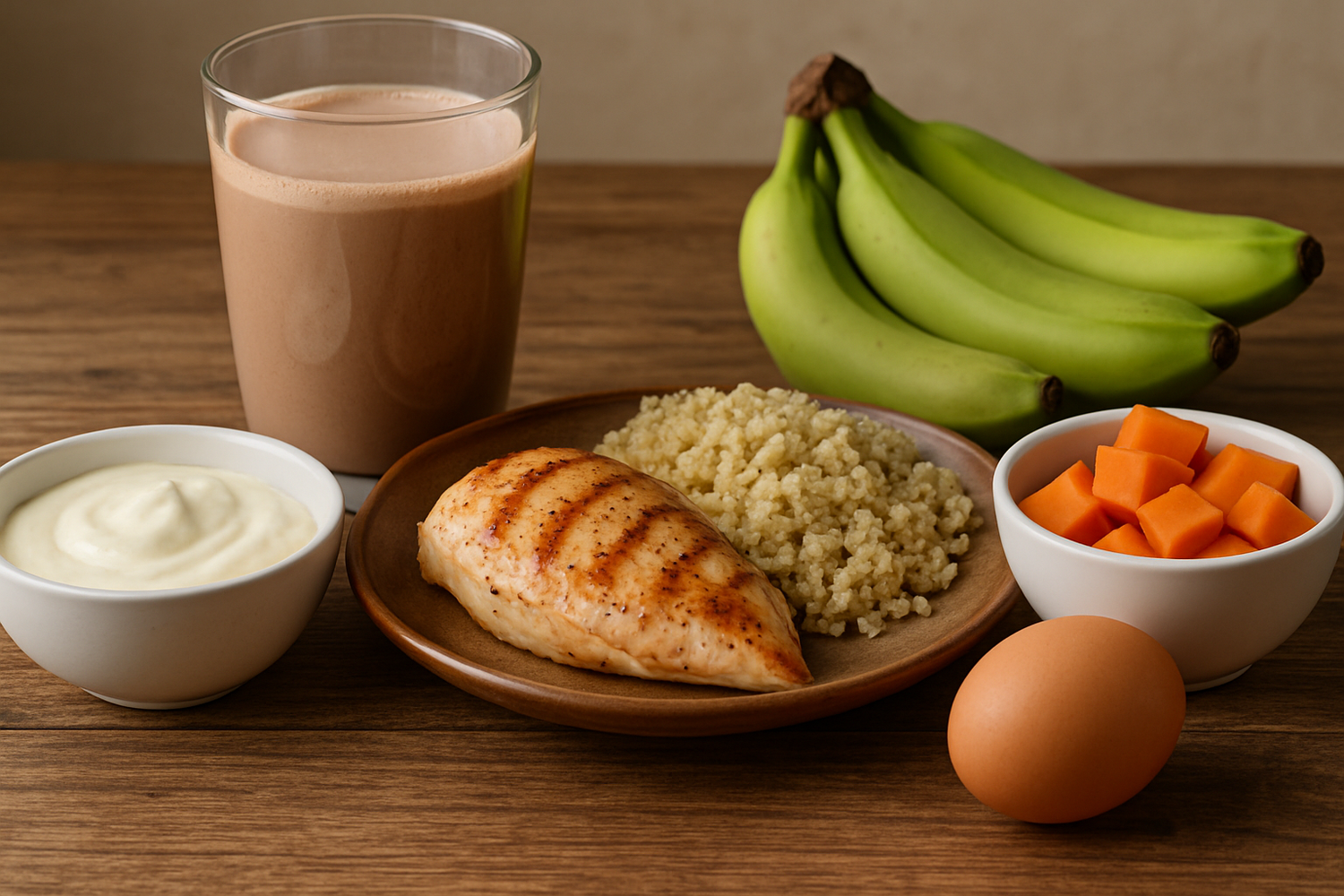
The Science Behind Post-Workout Nutritional Recovery
Your body undergoes profound metabolic perturbations during exercise, creating a cascade of physiological demands that extend well beyond the final rep or last mile. Understanding the intricate mechanisms of exercise-induced catabolism reveals why strategic nutrition becomes paramount for optimal recovery and adaptation.
During intense training, muscle proteins break down through proteolysis while glycogen stores become depleted. Simultaneously, inflammatory markers surge as microscopic muscle fiber damage accumulates. This catabolic state, though necessary for adaptation, requires precise nutritional intervention to shift the balance toward anabolism and tissue repair.
The post-exercise anabolic window—though more flexible than once believed—still represents a critical period for nutrient uptake. Research demonstrates that consuming appropriate macronutrients within this timeframe can enhance muscle protein synthesis rates by up to 25% compared to delayed feeding protocols.
Essential Macronutrients for Recovery Enhancement
Protein: The Foundation of Muscle Repair
Protein intake post-workout serves as the primary catalyst for muscle protein synthesis, providing essential amino acids that act as building blocks for damaged muscle fibers. The leucine threshold concept suggests that consuming approximately 2.5-3 grams of leucine triggers maximal anabolic signaling, typically found in 20-25 grams of high-quality protein.
Complete proteins containing all nine essential amino acids prove superior for recovery purposes. Whey protein demonstrates rapid absorption kinetics, making it ideal for immediate post-workout consumption. However, casein protein offers sustained amino acid release, beneficial for overnight recovery periods.
Plant-based alternatives like pea protein, hemp protein, and rice protein combinations can effectively match animal-derived sources when properly combined. The key lies in achieving optimal amino acid profiles rather than simply maximizing total protein content.
Carbohydrates: Restoring Glycogen Reserves
Carbohydrate consumption post-exercise serves dual purposes: replenishing depleted glycogen stores and facilitating protein uptake through insulin-mediated mechanisms. The glycemic index of chosen carbohydrates influences both absorption rates and subsequent metabolic responses.
High-glycemic carbohydrates like dextrose or maltodextrin provide rapid glucose delivery, immediately addressing depleted muscle and liver glycogen. Lower-glycemic options such as sweet potatoes or quinoa offer sustained energy release while providing additional micronutrients essential for recovery processes.
The optimal carbohydrate-to-protein ratio varies based on training intensity and duration, but research supports ratios ranging from 2:1 to 4:1 for endurance activities, while strength training may require lower ratios focusing more heavily on protein intake.
Top-Tier Whole Food Recovery Options
Nutrient-Dense Animal Sources
Greek yogurt stands as a recovery powerhouse, delivering both fast-digesting whey and slow-releasing casein proteins alongside probiotics that support gut health and nutrient absorption. Its naturally occurring electrolytes aid in rehydration while calcium supports muscle contraction mechanisms.
Wild-caught salmon provides not only high-quality protein but also omega-3 fatty acids that actively combat exercise-induced inflammation. These polyunsaturated fats enhance membrane fluidity in muscle cells, facilitating more efficient nutrient transport and waste removal.
Eggs, particularly the whole egg rather than just whites, offer the highest protein digestibility score while providing choline for neurotransmitter synthesis and vitamin D for calcium absorption. The yolk contains additional nutrients often overlooked in recovery nutrition discussions.
Plant-Based Recovery Champions
Quinoa emerges as a complete protein source among plant foods, containing all essential amino acids while providing complex carbohydrates and magnesium for muscle relaxation. Its fiber content supports digestive health without causing gastrointestinal distress when consumed in moderate portions.
Tart cherries contain natural melatonin and anthocyanins that reduce exercise-induced oxidative stress and improve sleep quality—a critical yet often neglected component of recovery. Studies indicate that tart cherry consumption can reduce muscle soreness markers by up to 23%.
Hemp seeds deliver a favorable omega-3 to omega-6 ratio while providing easily digestible protein and magnesium. Their mineral profile supports electrolyte balance restoration without requiring processed supplements.
Strategic Nutrient Timing Protocols
The temporal aspect of post-workout nutrition significantly influences recovery outcomes, though the traditional "30-minute window" concept has evolved into a more nuanced understanding of nutrient timing flexibility.
Immediate post-workout consumption (0-30 minutes) should prioritize rapidly absorbed nutrients—liquid proteins and simple carbohydrates that bypass lengthy digestion processes. This timeframe capitalizes on heightened muscle blood flow and insulin sensitivity.
The secondary feeding window (1-3 hours post-exercise) allows for more substantial whole food meals combining complete proteins with complex carbohydrates. This period supports sustained protein synthesis and continued glycogen replenishment.
"The quality of your recovery nutrition directly influences your next training session's potential. Every meal becomes an opportunity to enhance adaptation or limit progress."
Pre-sleep nutrition deserves equal attention, as overnight represents the longest fasting period when muscle repair processes peak. Slow-digesting proteins consumed before bed can maintain elevated amino acid levels throughout the night, supporting continuous tissue renovation.
Hydration and Electrolyte Restoration
Fluid replacement extends beyond simple water consumption, requiring strategic electrolyte repletion to restore cellular function and plasma volume. Sweat losses vary dramatically between individuals, making personalized hydration protocols essential for optimal recovery.
Sodium replacement becomes critical after prolonged or intense exercise sessions, as this primary extracellular electrolyte regulates fluid retention and cellular hydration status. Natural sources like sea salt or electrolyte-rich foods often prove superior to synthetic alternatives.
Potassium works synergistically with sodium to maintain proper fluid balance while supporting muscle contraction and nerve transmission. Whole foods like bananas, coconut water, and leafy greens provide potassium alongside additional recovery-supporting compounds.
| Electrolyte | Primary Function | Natural Food Sources |
|---|---|---|
| Sodium | Fluid retention, nerve signaling | Sea salt, celery, beets |
| Potassium | Muscle contraction, blood pressure | Bananas, spinach, avocados |
| Magnesium | Muscle relaxation, energy production | Pumpkin seeds, dark chocolate, almonds |
| Calcium | Bone health, muscle function | Sardines, kale, sesame seeds |
Anti-Inflammatory Foods for Enhanced Recovery
Exercise-induced inflammation, while necessary for adaptation, can impede recovery when excessive or prolonged. Incorporating foods with potent anti-inflammatory properties helps modulate this response without completely suppressing beneficial inflammatory signaling.
Turmeric contains curcumin, a bioactive compound that inhibits inflammatory pathways while supporting joint health. When combined with black pepper (piperine), curcumin absorption increases dramatically, enhancing its therapeutic potential.
Ginger provides gingerols that reduce muscle pain and accelerate recovery from exercise-induced muscle damage. Its digestive benefits also support nutrient absorption during the critical post-workout period.
- Blueberries rich in anthocyanins for oxidative stress reduction
- Green tea containing EGCG for enhanced fat oxidation and inflammation control
- Dark leafy greens providing nitrates for improved blood flow and oxygen delivery
- Fatty fish delivering EPA and DHA for membrane health and inflammation resolution
Common Recovery Nutrition Mistakes to Avoid
Many fitness enthusiasts unknowingly sabotage their recovery through well-intentioned but misguided nutritional choices. Understanding these pitfalls prevents weeks of stalled progress and suboptimal adaptations.
Excessive reliance on processed recovery products often displaces whole food options that provide superior nutrient density and bioavailability. While convenient, many commercial options contain artificial ingredients, excessive sugars, or inadequate protein quality that may hinder rather than help recovery processes.
Inadequate caloric intake represents another common error, as the body requires sufficient energy to support both recovery processes and daily metabolic demands. Chronic energy deficits impair protein synthesis, immune function, and hormonal balance—all critical for optimal recovery.
Timing inflexibility can also limit recovery potential. While nutrient timing matters, obsessing over precise windows while ignoring overall dietary quality and consistency proves counterproductive for most individuals.
Frequently Asked Questions About Post-Workout Recovery Nutrition
How soon after training should I consume recovery foods?
While immediate consumption (within 30 minutes) may offer slight advantages, the post-exercise anabolic window extends several hours. Focus on consuming quality nutrients within 2-3 hours post-workout for optimal results.
Can I rely solely on whole foods for recovery, or do I need supplements?
Whole foods should form the foundation of any recovery nutrition strategy. However, clean, transparently-labeled supplements can provide convenience and ensure adequate nutrient intake when whole food options aren't readily available.
What's the optimal protein amount for post-workout recovery?
Research suggests 20-40 grams of high-quality protein maximizes muscle protein synthesis for most individuals. Larger athletes or those following intense training protocols may benefit from higher intakes.
Do I need different recovery foods for different types of workouts?
Yes, endurance activities typically require higher carbohydrate ratios for glycogen replenishment, while strength training emphasizes protein intake for muscle repair. Mixed training sessions benefit from balanced macronutrient approaches.
Post-workout recovery nutrition represents a powerful tool for optimizing training adaptations and supporting long-term athletic development. By focusing on whole food sources, strategic timing, and individual needs, you can transform recovery from a passive process into an active catalyst for improvement. Remember that consistency trumps perfection—developing sustainable recovery nutrition habits yields better results than perfect execution of unsustainable protocols.



Leave a comment
This site is protected by hCaptcha and the hCaptcha Privacy Policy and Terms of Service apply.