

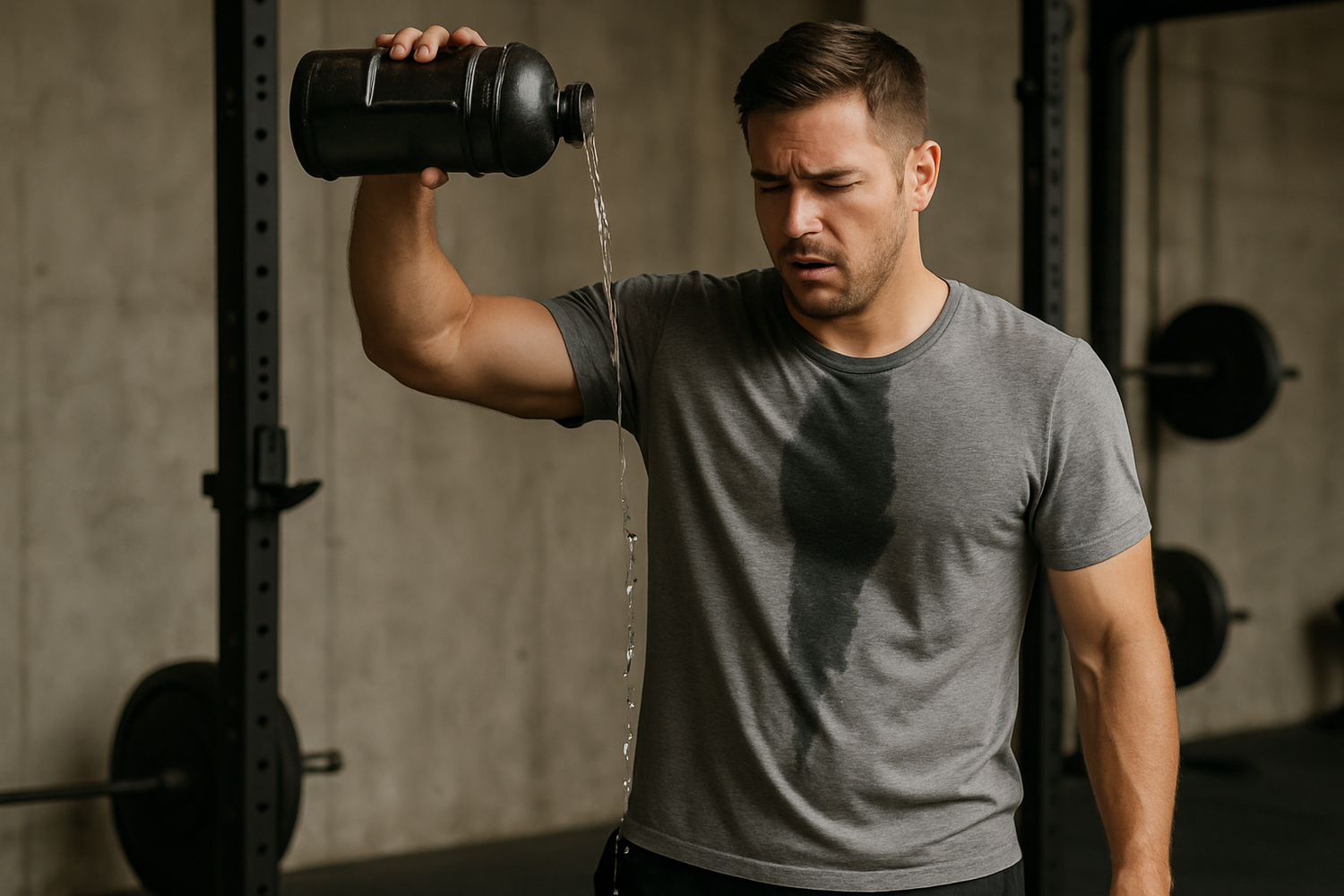
The Hidden Culprit Behind Suboptimal Athletic Performance
Dehydration compromises athletic performance more than most athletes realize. However, the timing of fluid intake presents an equally critical challenge that receives insufficient attention. Suboptimal hydration protocols can diminish power output, impair thermoregulation, and accelerate fatigue onset regardless of total fluid consumption.
Performance decrements occur when hydration strategies fail to align with physiological demands. The human body requires precise fluid balance maintenance during exercise, yet common timing errors create cascading effects that sabotage even well-conditioned athletes.
Critical Pre-Exercise Hydration Errors
Overhydration Immediately Before Training
Consuming excessive fluid volumes within 30 minutes of exercise initiation triggers gastric distension and compromises diaphragmatic function. This phenomenon, known as exercise-induced gastric stasis, reduces nutrient absorption capacity and creates uncomfortable sloshing sensations during movement patterns.
Optimal pre-exercise hydration requires strategic timing. Athletes should consume 16-20 ounces of fluid 2-3 hours before training, followed by 8 ounces approximately 20-30 minutes prior to exercise commencement.
Neglecting Electrolyte Preloading
Plain water consumption before intense training sessions dilutes plasma sodium concentrations, potentially triggering exercise-associated hyponatremia. This condition manifests as cognitive impairment, muscle cramping, and reduced contractile force generation.
Strategic electrolyte preloading with sodium, potassium, and magnesium optimizes intracellular fluid retention and maintains neuromuscular function. SWET Hydration delivers precisely dosed electrolytes without artificial additives or proprietary blends that obscure ingredient transparency. This clean formulation supports optimal plasma osmolality maintenance while avoiding the gastrointestinal distress associated with synthetic compounds.
Intra-Workout Hydration Miscalculations
Inadequate Replacement Rate Timing
Sweat rate variability demands individualized replacement protocols. Many athletes underestimate their fluid losses, consuming inadequate volumes during prolonged exercise sessions. Research demonstrates that performance decrements begin with 2% body weight loss through perspiration.
Effective intra-workout hydration requires systematic fluid intake every 15-20 minutes during exercise exceeding 60 minutes in duration. The goal involves matching intake to sweat rate rather than relying on thirst sensation, which lags behind physiological need.
Temperature and Palatability Oversights
Fluid temperature significantly influences gastric emptying rates and voluntary consumption patterns. Room temperature or slightly cool beverages optimize absorption kinetics compared to ice-cold alternatives that can trigger gastric cramping during intense exercise.
"Palatability drives voluntary fluid consumption, making taste preferences a performance factor rather than merely a comfort consideration."
Post-Exercise Recovery Hydration Failures
Recovery hydration extends beyond simple fluid replacement. Athletes must address both volume and composition to restore homeostasis effectively. Common errors include consuming insufficient volumes relative to sweat losses and neglecting electrolyte replenishment.
Optimal recovery requires consuming 150% of fluid losses within 6 hours post-exercise. This hyperhydration compensates for continued urinary losses during the recovery period.
| Exercise Duration | Recommended Recovery Volume | Electrolyte Priority |
|---|---|---|
| < 60 minutes | 16-24 oz per pound lost | Sodium primary |
| 60-120 minutes | 20-28 oz per pound lost | Sodium + Potassium |
| > 120 minutes | 24-32 oz per pound lost | Full electrolyte spectrum |
Environmental Considerations and Adaptive Strategies
Ambient temperature, humidity levels, and altitude significantly influence hydration requirements. Heat acclimatization improves plasma volume expansion and sweat sodium conservation, but requires 10-14 days of progressive adaptation.
Athletes training in challenging environments must modify their hydration protocols accordingly:
- Increase pre-exercise fluid loading in hot conditions
- Monitor urine color as a hydration status indicator
- Adjust electrolyte concentrations based on sweat composition
- Consider cooling strategies alongside fluid replacement
Successful hydration timing requires systematic approach rather than intuitive consumption patterns. Athletes who implement evidence-based protocols consistently outperform those relying on thirst-driven strategies alone.


发表评论
此站点受 hCaptcha 保护,并且 hCaptcha 隐私政策和服务条款适用。